
Maximize your fitness and health.
Designed for humans.
The one-stop fitness resource
Learn how to:
 Burn fat and build muscle, realistically, naturally, and in the shortest amount of time
 Live longer by retaining youth and vigour
 Prevent the risk of disease and injuries
 Develop mental and physical mastery
Evidence-based research
Simple Science Fitness contains clear and proven objective facts, powerful fitness calculators, and over 400 cited links to research journals and articles.
Biohacking doesn't have to be complicated
A sensible approach to a healthy lifestyle will give you results – no matter your age, weight, gender, or fitness level. It worked for us. Become a superhuman!
Educate
Learn the essential truths about health, nutrition, and fitness. Learn how you can apply that knowledge for a stronger, happier, and healthier you.
Calculate
Personalize your diet and workout routines. Get the numbers that are customized for you.
 Calculators →
Activate
Be empowered: Take control of your life. Make yourself a plan, follow it, and watch yourself transform.
 Grocery List →
 Recipes →
 Workout Routines →
 Endgame
- Our Mission to Society
-
Our Mission to Society
Beyond the simple message of “eat less, move more,” we’re undoubtedly in a complex environment never seen before in human history.
Society has changed significantly. Technology, industrialization, and medicine enabled us to eat more and move less, and yet, live longer. Evolutionarily speaking, we’re in a sweet spot. Paradoxically though, we’re becoming unhappier and unhealthier. We’re bombarded with contradictory messages and products with unrealistic health claims. We’re becoming more confused about what really works and what doesn’t. What we have today is clearly not working.
It is strange for me to provide you with evidence that supports the kind of foods we have evolved to live on. I am defending nature because as a society, we’ve become so ingrained in consuming things that nature did not engineer. Instead of balancing out our nutritional needs with a variety of whole foods and with cooking, we go to the extremes by purchasing processed, ready-made foods and trying out dangerous fad diets. As a result, we get extreme body types and unbalanced minds. We’ve traded the healthy norm for the unhealthy norm.
The Western culture has promoted poor eating choices and a sedentary lifestyle, and as a result, we’re in an environment where unhealthy habits are the norm. This has negative consequences on a global scale. 2.1 billion of the world population, or almost a third of everybody living today, is either overweight or obese. Our emotional, physical, and mental health are being sacrificed for the illusion of convenience and instant gratification. We’re becoming more disconnected with how our previous generations lived. Cooking is becoming a lost art. We’re not being mindful of what we’re eating. We’re designed to move, to run, to jump, to push, to pull, and we feel better when we do – yet we prefer the couch, which ultimately makes us feel worse. We’re so focused on body image while not realizing that our body is a reflection of how well we take care of it. Loving your body and being healthy is achieved though proper exercise and nutrition.
Consider that a one hour workout three times a week is only 1.7% of our time. Exercise is the elixir of life, proven to boost our mind and body. Buying whole foods in bulk is cheaper than eating out, and much healthier. Preparing and cooking meals can be fun, efficient, and rewarding. The maxim “you are what you eat” contains truth.
A lifestyle change could be slow and gradual. Understanding why we should make that move, however, is our first step.
Losing weight is as simple as eating less and moving more, and building muscle is as simple as lifting weights and eating more. However, simple doesn’t necessarily mean easy. My goal is to make it easy for you, and in return, I ask for your self-initiative. This is the only way that this can work.
Do you want to learn how to become healthy and manage your health for the rest of your life?
Do you want exercise and diet to become an integral part of your lifestyle, rather than as a passing fad?
We have one life to live. Let’s make the best of it.
 The Basics
 Lifestyle
Problems and Solutions
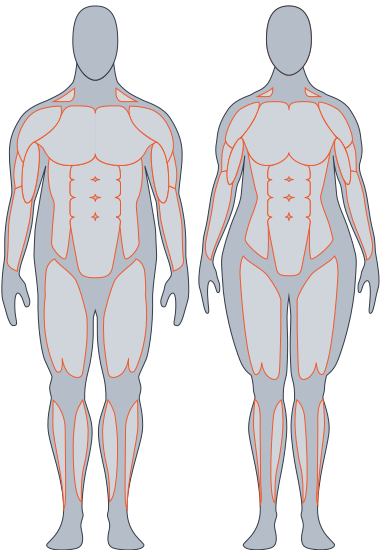
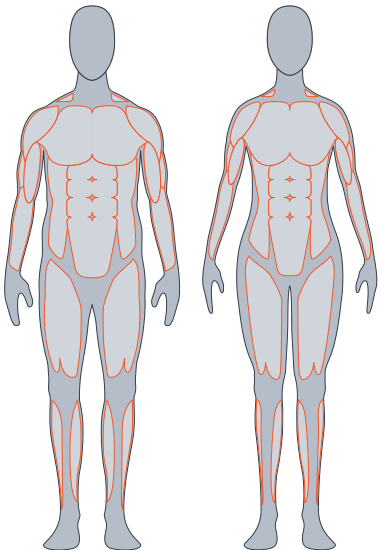
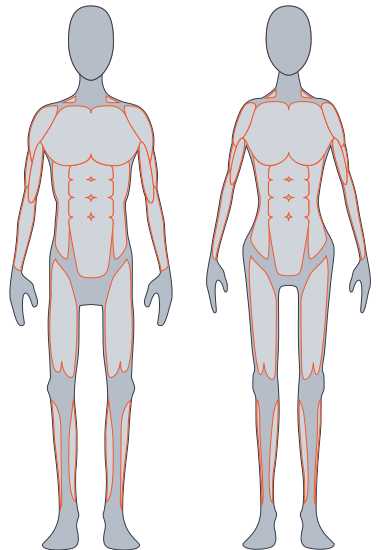
Your body probably looks similar to one of these shapes.
Overweight
Average
Underweight
Fit
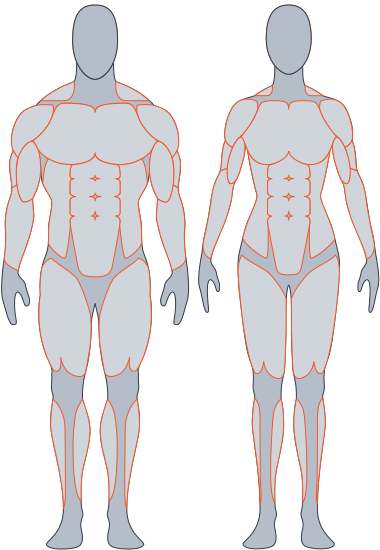
And you probably desire to be fit and healthy.
Problems
"I'm always hungry."
Appetites are increasing and we're eating bigger portions.
"I don't feel like moving."
We move less and sit around more.
"I can't help eating this."
Donuts are delicious and sugary foods are more addictive than cocaine.
"I'm always tired and in pain."
Many of us are suffering from anxiety, depression, stress, obesity, diabetes, and lack of sleep. Many of us require medication.
"No matter how hard I try, I can't get the weight off."
We're confused and frustrated. Orange juice is bad for you, yet oranges are good? Why?
Solutions
- Most of your meals have to be homecooked. This is non-negotiable.
- For every meal, eat twice as many vegetable portions as meat portions.
- Does it have added sugar? Don't eat or drink it!
- For every hour you spend on computer/television/phone screen time, match with exercise time. Too much? Then you probably can make time to exercise for just 1 hour, 3 times a week.
- Many of us can improve our quality of life, be happier, appear younger, and live longer just by making lifestyle changes.
The solutions are here. Internalizing them is a process.
 Premium Features
Go into detail on metabolism, body composition, genetics, hormones, obesity, gut microbiota, body weight, body fat, and more. Full Premium Features →
Comparing Diets
The Two Diets
Diet #1
100 Grams per Item
 1. Spinach, 2. broccoli, 3. orange, 4. eggs, 5. salmon, 6. kidney beans
 1. Water, 2. tea, 3. black coffee, 4. coconut water, 5. beer, 6. wine
Diet #2
100 Grams per Item
 1. Pizza, 2. ice cream, 3. French fries, 4. bagel, 5. cheesecake, 6. chocolate bars
 1. Pop/soda, 2. energy drink, 3. juice, 4. blended coffee, 5. hot chocolate, 6. milkshake
Diet #1 and Diet #2 have a combined weight of 1.2 kg each. Let's break them down.
Comparing Foods
Water in Foods (100 g per Item)
Calories in Foods (100 g per Item)
Generally, the more water in your food, the less Calories you consume. Why? Because water has 0 Calories.
Comparing Drinks
Water in Drinks (100 g per Item)
Not much variance with water in the drinks here, however…
Calories in Drinks (100 g per Item)
The less sugar in your drinks, the less Calories you consume.
Why? Because water has 0 Calories and sugar has 4 Calories for every gram (mL).
Did you know?
There are 9 Calories for every gram of fat. A gram of carbohydrates and protein contain only 4 Calories each.
Calories by Weight
Diet #1
|
|
|
||||
|---|---|---|---|---|---|
| Food Item (100 g) | Calories | Calories from Sugar | Drink (100 g) |
Calories | Calories from Sugar |
| Spinach | 23 kcal | (1 kcal) | Water | 0 kcal | (0 kcal) |
| Broccoli | 34 kcal | (7 kcal) | Tea | 2 kcal | (0 kcal) |
| Orange | 47 kcal | (36 kcal) | Black Coffee | 2 kcal | (0 kcal) |
| Eggs | 155 kcal | (4 kcal) | Coconut Water | 19 kcal | (10 kcal) |
| Salmon | 208 kcal | (0 kcal) | Beer | 39 kcal | (2 kcal) |
| Kidney Beans | 127 kcal | (1 kcal) | Wine | 85 kcal | (2 kcal) |
| Total | 594 kcal | (49 kcal) | Total | 147 kcal | (14 kcal) |
Grand Total
741 Calories
(63 Calories from sugar)Diet #2
|
|
|
||||
|---|---|---|---|---|---|
| Food Item (100 g) | Calories | Calories from Sugar | Drink (100 g) |
Calories | Calories from Sugar |
| Pizza | 266 kcal | (14 kcal) | Pop/Soda | 41 kcal | (41 kcal) |
| Ice Cream | 207 kcal | (84 kcal) | Energy Drink | 46 kcal | (40 kcal) |
| French Fries | 312 kcal | (1 kcal) | Juice | 45 kcal | (32 kcal) |
| Bagel | 250 kcal | (24 kcal) | Blended Coffee | 67 kcal | (30 kcal) |
| Cheesecake | 321 kcal | (88 kcal) | Hot Chocolate | 77 kcal | (40 kcal) |
| Chocolate Bars | 462 kcal | (184 kcal) | Milkshake | 140 kcal | (84 kcal) |
| Total | 1818 kcal | (395 kcal) | Total | 416 kcal | (267 kcal) |
Grand Total
2234 Calories
(662 Calories from sugar)At the same portion weight, we're looking at 3X more Calories with Diet #2! Basically…
Equivalent Calories
Diet #1
3X more food and drinks
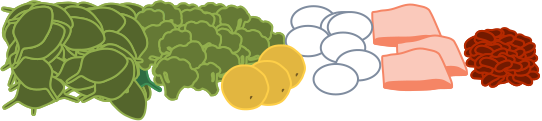 1. Spinach, 2. broccoli, 3. orange, 4. eggs, 5. salmon, 6. kidney beans
 1. Water, 2. tea, 3. black coffee, 4. coconut water, 5. beer, 6. wine
Grand Total
2234 Calories
Diet #2
No change
1. Pizza, 2. ice cream, 3. French fries, 4. bagel, 5. cheesecake, 6. chocolate bars
1. Pop/soda, 2. energy drink, 3. juice, 4. blended coffee, 5. hot chocolate, 6. milkshake
Grand Total
2234 Calories
This simple demonstration shows that Calories is king.
But wait, there's more.
The Health Correlation
Water vs. Calories vs. Nutrients
Water
Water has zero Calories. The more water your food contains, the more hydrated and less hungry you become.
Calories
The more Calories you consume, the more weight you put on. Keep in mind, dietary fat has 9 Calories per gram vs. 4 for carbohydrates and for protein.
Nutrients
The more nutrients (vitamins and minerals) you consume, the healthier (and less hungry) you become. Remember, sugar has zero nutrients.
Note: The scale above is based on nutrient density per Calorie.
It's very simple: the math shows that water has 0 Calories, fat has 9 Calories per gram, and sugar has 0 nutrients. These three variables in food composition greatly determines what makes food "healthy." This means that once you've selected foods that are high in water, moderate in fat, and low in sugar, the foods you'll consume are likely nutrient dense and balanced.
Premium Features
Learn how to manage weight through diet and exercise, and to control your progress by applying the Law of Thermodynamics, BMR, cutting, and bulking. Full Premium Features →
Advertisement
Habits and Health
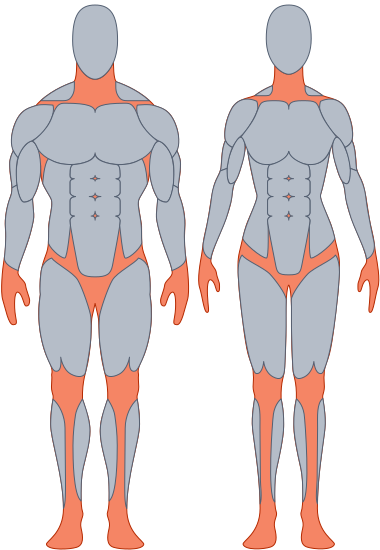
Proper diet and exercise are the two core components of leading a healthy lifestyle. They have profound compounding effects that affect our overall well-being.
Most of us live the common Western lifestyle, which negatively affects our well-being.
Check out the causes and effects of these two very different lifestyle habits.
The Healthy Lifestyle
By changing a few major lifestyle habits, you can see how by even changing one positive action can create a chain of several positive effects for your mental and physical states.
Consuming Proper Calories
- Increased nutrient density
- Increased hydration
- Increased satiation
- Less hunger
- Less food portions
- Lower storage of body fat
Eating Less Sugar
- Avoiding empty calories
- Decreased inflammation
- Increased health
- Decreased appetite cravings
- Decreased consumption
- Lower body fat
Getting Enough Sleep
- Increased mental performance
- Improved memory
- Better muscle growth
- Increased physical performance
- Better hormone regulation
- Lower storage of body fat
Exercising Consistently
- More Calories burned
- Greater muscle mass
- Higher metabolism and fat-burning hormones
- Better energy, strength, and endurance
- Improved sleep
- Less chronic stress, anxiety, and depression
- Decreased body fat
Result: Fit
- Decreased risk of diabetes, cancer, and heart disease
- Decreased cholesterol and blood pressure
- Improved balance and mobility
- Improved physical attractiveness and libido
- Improved happiness, mood, and confidence
- Improved health and fitness
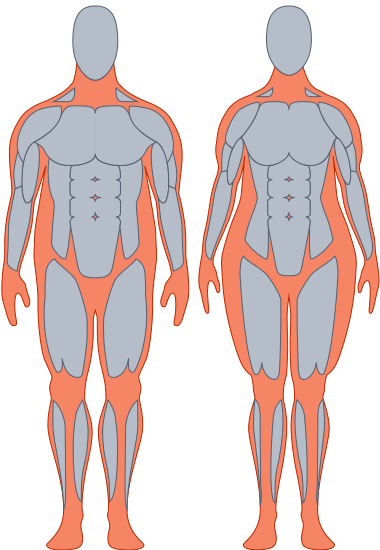
The Western Lifestyle
By indulging in just one poor lifestyle habit (e.g. eating more sugar), it can create other negative lifestyle habits. Since the actions and causes are largely interdependent, it is easy to fall into a downward spiral. One lifestyle action can create mental and physical consequences that then influence lifestyle decisions.
Consuming Excess Calories
- Lower nutrient density
- Lower hydration
- Lower satiation
- Increased hunger
- Increased food portions
- Increased body weight
Eating More Sugar
- No nutrients
- Increased inflammation
- Decreased health
- Higher appetite cravings
- Greater food consumption
- Higher body fat
Lack of Sleep
- Decreased mental performance
- Decreased memory
- Decreased physical performance
- Decreased muscle growth
- Poor hormone regulation
- Increased body fat
Being Sedentary
- Less Calories burned
- Muscle atrophy
- Lower metabolism and fat-burning hormones
- Decreased energy, strength, and endurance
- Increased risk of sleep disorders
- Higher risk of chronic stress, anxiety, and depression
- Increased body fat
Result: Unhealthy
- Greater risk of diabetes, cancer, and heart disease
- Higher cholesterol and blood pressure
- Decreased balance and mobility
- Decreased physical attractiveness and libido
- Decreased happiness, mood, and confidence
- Decreased health and fitness
Keep in mind, a lifestyle means it's not temporary (like "dieting"). It's for life.
Premium Features
Teach yourself how to change your negative habit patterns to positive ones. Understand how to assess and improve health, prevent obesity, strengthen body image, and learn about sleep, stress, injuries, anatomy, and more. Full Premium Features →
 Diet
Diet
Understanding Foods
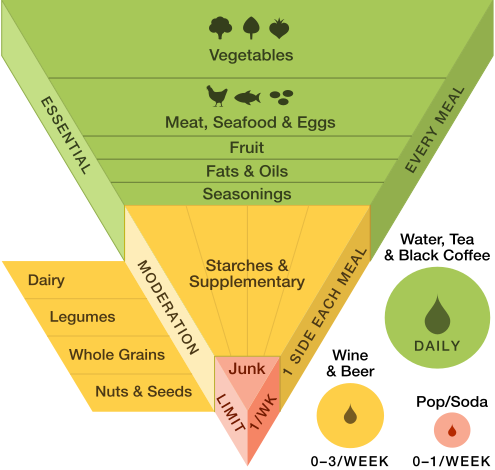
SSF Food Pyramid
Did you know?
75% of the world's Calories today comes from only 7 sources: wheat, maize (corn), rice, sugar, potatoes, soybean, and cereal grains. These types of foods are very different from what we've eaten for most of our existence, which means human diets are becoming less diverse.
What makes plants and animals so great?
Our species, Homo sapiens, appeared around 200,000 years ago. Bread became widespread only after the First Agricultural Revolution 10,000 years ago.
The math is clear: as humans, we started eating bread for only the last 5% of our existence. Taking it further, human-like species of the Homo genus came into existence two million years ago, which means our diets were virtually always restricted to what was available to forage in the existing environment, namely plants and animals.
Hence, food found in nature are what our brains and bodies were ultimately designed for. We were not designed to consume processed/refined foods such as added sugars, which became popular barely over 200 years ago.
Food Energy-Health Graph
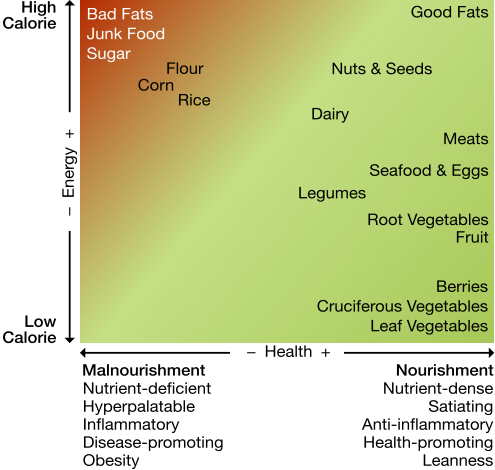
Nutrient-dense foods are essential, which means that it's exactly what your body requires in order to function properly.
When you load up on junk food, sugars, and low-quality fats, you're getting all of the Calories and none of the benefits.
Nutrient density is what keeps you full – and keeps your body from overeating.
Tip
Healthy meals are made from whole foods, namely plants and animals, that you combine and cook.
They contain the highest concentration of nutrients.
What Makes Unhealthy Meals?
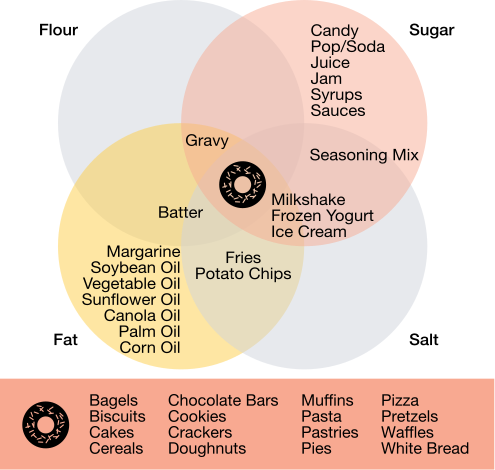
Sugar, flour, salt, and fat are the main ingredients in food products that are high in Calories and low in nutrients.
Tip
Unhealthy meals are made from sweet and sugary foods, corn-, soy- or flour-based products, refined/processed foods, and almost anything that came pre-packaged or pre-cooked.
They contain the lowest concentration of nutrients.
Did you make that pasta by hand, or did you buy it processed? Did you bake that bread using 4 ingredients, or does your store-bought package list 13 ingredients? Is it sweet or is it savoury? There are many factors, but the answers are clear:
- Buy and consume whole foods. Homecooked meals made from fresh, whole ingredients are health-promoting.
- Restaurants, fast foods, pre-cooked packages (e.g. microwavable dinners) and processed stuff (e.g. macaroni and cheese) mostly serve meals that are fattening and unhealthy.
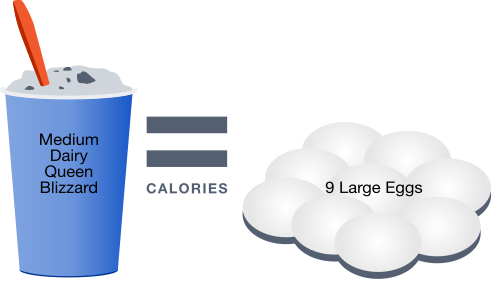
Looking at these two, are you feeling full or hungry? How much of each can you eat in one sitting?
Premium Features
Expands on how to effortlessly control hunger, what is good and bad nutrition, and how to do intermittent fasting the right way. Full Premium Features →
Healthy Meals
SSF Diet
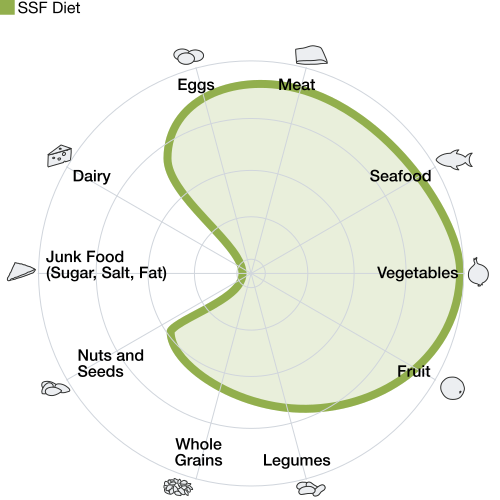
The Simple Science Fitness Diet focuses on nutrient-dense food sources based on the SSF food pyramid, list of essential foods, and energy-health graph.
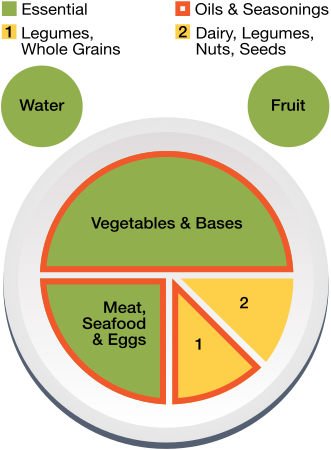
You can follow the diet by using the suggested recipes or the healthy plate diagram.
The SSF Diet is the least restrictive compared to other popular diets and arguably works just as well, if not better, due to the flexibility, variety, balance, and ease of incorporating into a sustainable lifestyle.
In premium, you can learn about all the pros and cons of well-known diets including paleo, keto, Mediterranean, vegan/vegetarian, and MyPlate.
Healthy Plate
Based on the SSF Food Pyramid, this is what your ideal plate would look like.
Portion Sizes by Type
Macronutrients by Weight (g)
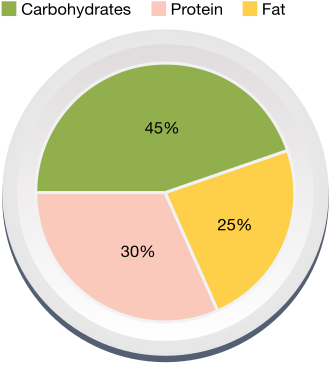
Note: The above is an average. In Premium, you'll see how the plate ratios change based on workout days and rest days.
Macronutrients by Calories (kcal)
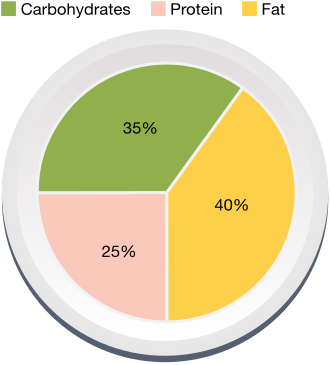
Note: The above is an average. In Premium, you'll see how caloric intake ratios change based on workout days and rest days on a cut or on a bulk.
Premium Features
Learn how to further optimize your macronutrient and caloric intake by seeing suggested ratios on workout days and on rest days. Combined with intermittent fasting, you will be able to see results faster. Also, see how the SSF Diet stacks up against the Paleo, Keto, Vegan, and Mediterranean Diets. Full Premium Features →
Nutritional Profiles
If each food group was a superhero, they would (on average) contain these nutritional profiles.
 Vegetables
The superfood group. The most nutrients you can get in the fewest Calories.
Calories
Nutrients
Carbs
Protein
Fat
Sugar
 Meats
Meats
A unique superpower. Lowest in carbs and highest in protein. Plus, high in nutrients while being moderate in fat and Calories.
Calories
Nutrients
Carbs
Protein
Fat
Sugar
 Fruits
Nature's candy. You typically get a sweet offering with benefits. However, the less sweet, the better.
Calories
Nutrients
Carbs
Protein
Fat
Sugar
 Legumes and Whole Grains
Well balanced, but not as efficient as the vegetable-meat combo. Most breads don't count.
Calories
Nutrients
Carbs
Protein
Fat
Sugar
 Dairy
Dairy
As long as they are fermented, they pack a punch. But don't overconsume, since they are high in Calories.
Calories
Nutrients
Carbs
Protein
Fat
Sugar
 Nuts and Seeds
Incredible all around, but only meant to be consumed in small quantities since they are high in Calories.
Calories
Nutrients
Carbs
Protein
Fat
Sugar
For comparison, here are some unhealthy food profiles.
 Pizza*
High in low-quality carbs and Calories, with fat added.
Calories
Nutrients
Carbs
Protein
Fat
Sugar
 Savoury Pastries*
High in low-quality carbs and Calories, with fat added.
Calories
Nutrients
Carbs
Protein
Fat
Sugar
 Chocolate*
High in low-quality carbs (added sugar) and Calories (added fat).
Calories
Nutrients
Carbs
Protein
Fat
Sugar
Premium Features
Harness the power of micronutrients and learn about the pros and cons of macronutrients (including alcohol). Learn how to maximize their benefits and to avoid their disadvantages. Full Premium Features →
Healthy Foods
Essential Foods
Below is your weekly checklist to stock your pantry and fridge. It factors in your required nutrients to make healthy meals.
Afterwards, we'll learn how to cook with these ingredients.
The following selections would allow you to assemble exclusively healthy meals.
Legend
Contains food high in:
- V Vitamins
- M Minerals
- F Fibre
- Ω Omega-3 (EPA & DHA)
- A Antioxidants
- T Testosterone
- ↓ Low Calories
- ↑ Weight Gainer
- ¢ Low Budget
Bases
- VMFAT
- Pick 6–7
- ↓ ¢
- ¢
- ↓
- ¢
- ¢
- ↓
- ↓
Vegetables
- VMFAT
- Pick 4–5
- ↓
- ↓
- ↓
- ↓
- ↓
- ↓
- ↓
- ↓
- ↓
- ↓
- ↓
- ↓
- ↓
- ↓
- ↓
- ↓
Meat/Proteins
- VMΩT
- Pick 3–4
- ↑ ¢
- ↑
- ↑
- ↑
- ↑
- ↑
- ↑ ¢
Fruits
- VFA
- Pick 2–3
- ↑
- ↓
- ↑
- ↑
- ↓
Starches
- VMF
- Pick 2
- ↑ ¢
- ¢
- ↑ ¢
- ↑
Supplementary
- F
- Pick 4–6
- ↓
- ↓
- ↓
- ↓
- ↑
- ↑
- ↑
- ↑
- ↑
- ↑
- ↑
- ↑
Beverages
Oils
- Pick 2–3
Basic Seasonings
Basic Spices
Hot Spices
Eastern Spices
Herbs
Supplements
Do You Need Supplements?
Supplementation requirements depend on your fitness goals, health, and diet. Most supplements are a waste of money but there are a handful that have been shown to provide potential benefits.
The most beneficial are whey/pea protein, vitamin D3, fish oil, creatine, and caffeine from black coffee or tea.
Tip
Supplements can't help a bad diet.
Buying Supplements
High quality supplements at great prices can be purchased from these suggested links based on my own research. I also earn a small commission from the following links:
Supplements in the USA
Supplements in Canada
Supplements in the UK
Premium Features
Unlocks the complete food pyramid: Foods in Moderation and Foods to Avoid. Bonus, the legend features are expanded and applied to every eligible food item. Also, supplement recommendations are explained (you might be wondering about caffeine). Full Premium Features →
Making Meals
The Big Buts
"But I don't have time!"
Consider the time it takes to travel to a restaurant, wait for a meal (and dessert), wait for the bill, then consider the time it takes to travel back home. You could argue it's quicker at a fast food restaurant, but it's certainly not healthier or cheaper.
Cooking can actually save you time if you make lots of it in one go to produce leftovers. For example, one can make from scratch shepherd's pie, jambalaya, and chunky chicken soup in 1.5 hours. That's a lot of meals.
"But healthy foods are expensive!"
Not necessarily. I'm not talking about healthy food products, but rather whole foods. While prices of whole foods do vary by location, it's important to know what is inexpensive in the region you live in. For example, if you live near the coast, fish is likely cheaper.
Also, buying food in bulk or buying from a local market will save you significantly more than from most commercial grocery stores.
Lastly, do consider that individual and societal medical- and health-related costs can be significantly more expensive.
"But I'm tired and I'm not motivated!"
Hunger is one of the most motivating human forces, and making a quick meal is as simple as simmering buckwheat or quinoa, blending a shake, or microwaving a meal out of Foundation: Express.
Add in an apple and some almonds and you'll feel like having more motivation.
Cooking Essentials
The links below are based on my own experience with these products, and of my recommendations. I earn a small commission through sales from these links.
Cutting Board

Bamboo cutting boards are great at resisting moisture so that bacteria doesn't form. It's also strong enough to take on the sharpest of knives.
Chef's Knife

One high quality chef's knife is all you need for all of your chopping.
USA Store
Canada Store
UK Store
Utensils
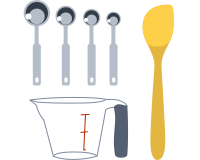
These essential utensils help measure out your ingredients and put them to use in your cookware. Wooden spoons don't scratch up your cookware and don't conduct heat.
USA Store
Canada Store
Cookware
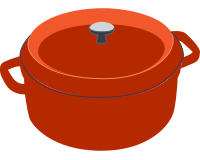
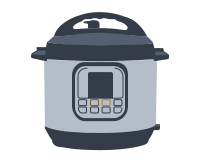
In most cases, one large cast iron and a pressure cooker, good pot, or Dutch oven may be all that you need for the coming decades. Whatever you choose, here are the highly recommended choices.
USA Store
Canada Store
Cooktop
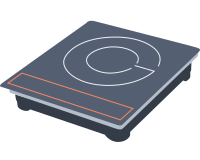
You likely already have an electric or gas stovetop, so you don't really need an induction oven. What's great about an induction oven is that it heats quickly, is easy to clean, and takes up little space. Note that induction ovens only work with cookware that contains iron such as cast iron, Dutch ovens, or some stainless steel.
USA Store
Other Cooking Items
Not essential, but these items can be very useful and convenient.
USA Store
Canada Store
SSF Make-a-Meal
Make all kinds of stir-fries, soups, and stews with this simple cooking method.
1. The Base

Select three or four bases (aromatic vegetables) and chop into small, uniform pieces.
Cook with an oil or fat, stirring occasionally, at medium temperature for 10–15 minutes. The bases are finished when they appear soft and "sweaty."
2. The Meat
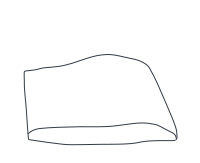
While you are cooking your base, pick one (recommended) or two types of meat. Cut into pieces if required. Slather on salt, plus any appropriate herbs, spices, and seasonings.
Cook separately with an oil or fat at medium heat until the meat is browned and cooked properly in the center.
3. The Stock
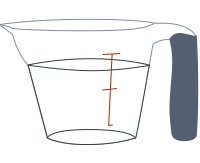
Next, pick a liquid stock (e.g. water, broth, milk, wine, beer).
Add more water if you are making a soup.
4. The Bulk
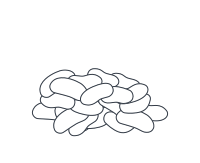
Lastly, mix in the base, meat, and stock with one or two starches (e.g. potatoes, beans, lentils, rice, quinoa, buckwheat).
Cook covered at simmering temperature for about 30 minutes, stirring occasionally.
Feel free to add in more vegetables.
Example 1
- Base: Onion, garlic, carrots, celery
- Meat: Chicken breast
- Stock: Chicken broth
- Bulk: Rice
- Meal: Chicken soup
Example 2
- Base: Onion, bell pepper, celery
- Meat: Pork sausage and shrimp
- Stock: Water
- Bulk: Rice
- Meal: Jambalaya
Example 3
- Base: Onion, carrots, tomatoes, garlic
- Meat: Lamb
- Stock: Water
- Bulk: Potatoes and beans
- Meal: Lamb stew
Advertisement
 Exercise
Why Exercise?
What's the Point of Exercise?
Aside from the fact our bodies were designed to run, jump, climb, crawl, and lift, there are numerous mental and physical benefits that contributes to overall happiness.
| Mental Benefits |
Physical Benefits |
Result |
|---|---|---|
| More energy | Less lethargy | |
| Improved fortitude | Improved resilience | |
| Better sleep | Better strength, stamina, and endurance | |
| Lower stress, anxiety, and depression | Slows down biological aging | |
| Improved sharpness and alertness | Improved performance | |
| Increased testosterone | Improved libido and sexual ability |  |
| Better tolerance to cortisol (stress hormone) | Stronger immune system, reduced cholesterol and improved heart health | |
| Releases irisin, a fat-burning hormone | Weight reduction and management | |
| Improved affirmation | Improved mobility | |
| Improved confidence | Improved aesthetics | |
The Big Buts
"But I don't have time!"
If you have time for TV and Internet… Besides, you can have a solid workout in just 30 minutes.
"But I don't have money or space!"
Bodyweight fitness is free and can be done virtually anywhere.
"But I'm tired!"
Post-exercise gives you an energy boost and helps you sleep better.
"But I'm not motivated!"
External factors are not responsible for your personal well-being. Since you are in full control of your body, your health is in your own hands.
The Big Question
How do I lose weight and build muscle?
This question has been asked a million times. The solution is really, really, really simple. Simple, but not easy. It is human nature to choose the path of least resistance. In other words, most people are lazy and tend to make excuses.
If you really want to build muscle or burn fat, you'll have to put in some physical effort beyond a proper diet.
Premium Features
Find out how to optimize your goals, whether you are a beginner, female, or looking to develop a specific physique or health target. Full Premium Features →
How to Build Muscle and Burn Fat
Muscle Growth
Time Under Tension
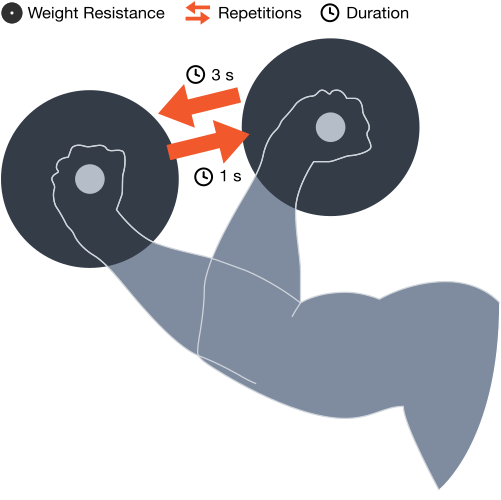
In this illustration, you can see how time under tension works. In the lowering phase (eccentric movement), the bicep is resisting against gravity and the weight of the dumbbell. When full range of motion is achieved (lengthening), the bicep can then contract (concentric movement).
Ideally, eccentric movements (with gravity) should be slower while concentric movements (against gravity) are "explosive."
Tip
Resistance weight can also be your own body weight against gravity. Like push-ups or pull-ups.
Human Limitations
If the weight is heavy enough (not too heavy), there are a limited number of repetitions the body can endure per set. There is an interdependent balance between our abilities and limitations, mentally and physically.
| Duration | Ability | ↔ | Limitation |
|---|---|---|---|
| Exercise | Repetitions | ↔ | Weight Resistance |
| Workout | Rest Time Length | ↔ | Intensity |
| Day | Workout Length | ↔ | Physiological Capability |
| Week | Workout Frequency | ↔ | Recovery Time Length |
The Sweet Spot
| Training Type | Repetition Range | Fitness Goal | Examples |
|---|---|---|---|
| Power | 1–5 | Strength | Powerlifters, Strongmen |
| Resistance | 6–15 | Aesthetics, Strength, Stamina, Heart Health | Pro Athletes, Gymnasts, Fitness Models, Natural Bodybuilders |
| Cardiovascular | 16+ | Stamina, Heart Health | Pro Athletes, Triathletes, Runners, Cyclists, Swimmers |
"Resistance training" is a type of hypertrophy, strength, or weight lifting program. It falls under the sweet spot for not only its benefits, but because it is the most efficient type of training. Resistance training workouts can be achieved for only a few times a week and for as short as 30 minutes per workout.
Fat Burning
Diet is king, but pairing it with exercise is essential. Observe why exercise accelerates and compounds fat burning:
- A single high-intensity workout uses up Calories.
- That high-intensity workout gives metabolic and hormonal benefits for up to 48 hours.
- Energy (Calories) is required to repair and build muscle.
- Increased muscle mass means more food energy (Calories) required to maintain that new muscle mass.
Essentially, when combined with exercise, you could potentially eat a few hundred extra Calories per day just to maintain your body weight!
Did you know?
Resistance training is the most efficient way to build muscle and to burn fat.
Of course, you can get excellent exercise through sports, swimming, or climbing, among many others, but when it comes to the trade-off between results and time, resistance training, especially at high intensity, gives you the best value.
Seeing Results
Progressive Overload
Building upon physiological challenges to adapt mentally and physically, in order to see improved fitness results is called progressive overload.
Here's a rough illustration of this concept:
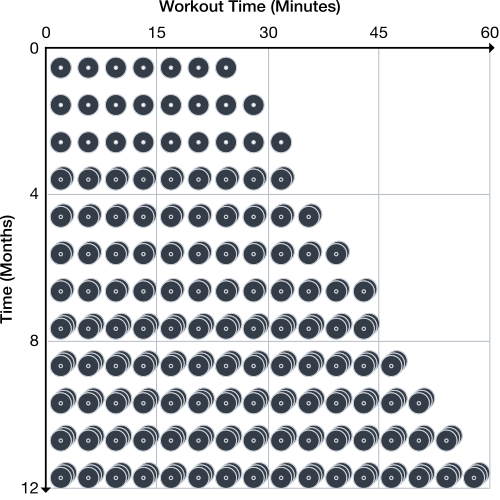
The more you can lift and the longer you can last, the stronger you have become. Don't expect overnight changes or miracles. It takes time and consistency.
You start with your own unique baseline, and you build from there.
Each week, you try to improve upon the previous week through adaptation. When you improve your progression, you slowly and surely will start to see and feel results. You can improve your weekly workout progression in a number of ways:
- ↑ resistance weight
- ↑ leverage
- ↑ repetitions
- ↑ sets
- ↑ exercises
- ↓ rest time
Remember, your progression also depends on the quality of your diet and sleep.
Tip
Calories are your fuel. But the quantity and quality matters.
Recommended
Track your diet and your workout progression with pen and paper, or with recommended apps such as MyFitnessPal and Strong.
Recommended
Get started with one of SSF's workout routines.
Premium Features
The progressive overload principle is expanded while the content includes nutritional guidelines for specific goals, realizing strength standards, genetic limits, injury prevention, and attaining realistic expectations. Full Premium Features →
The Big Six
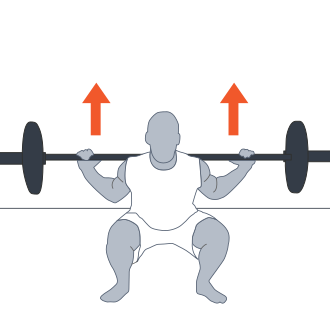
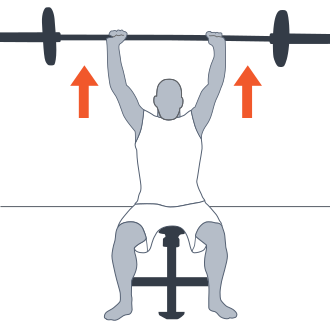
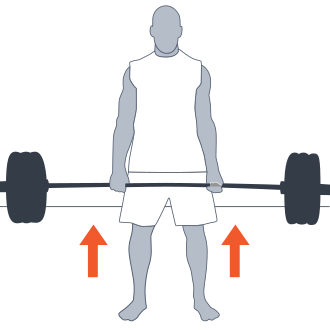
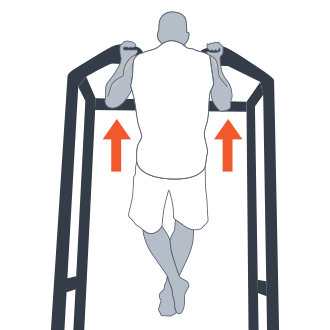
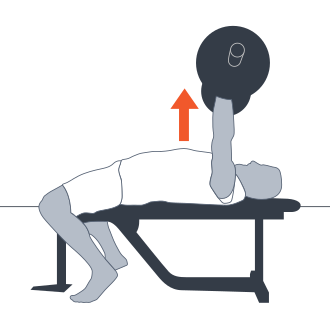
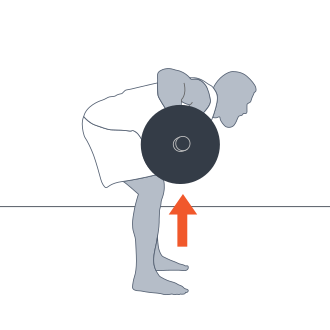
The following six powerful compound exercises work your entire body. They are essential movements and are the foundation of your physical abilities.
Vertical Push
Lower Body
Squat
Type: Barbell weight training
Described as the king of all exercises, squats work primarily the legs and is often considered a full-body exercise. The barbell squat is probably the most intense yet rewarding of all exercises to perform. Front squats are a superior alternative or addition to the barbell (back) squat.
Primary Muscles
- Quads
- Hamstrings
- Glutes
Secondary Muscles
- Abs
- Spinal erectors
Substitutions
| Exercise | Type |
|---|---|
| Leg press | Machine weight training |
| Power clean | Olympic weightlifting |
| Snatch | Olympic weightlifting |
| Lunges | Dumbbell weight training |
| Farmer's Walk | Barbell weight training |
| Pistol squat | Bodyweight training |
Upper Body
Overhead Press
Type: Barbell weight training
Also known as the barbell military press, this excellent shoulder exercise also works on the arms.
Primary Muscles
- Deltoids
Secondary Muscles
- Traps
- Triceps
- Abs
Substitutions
| Exercise | Type |
|---|---|
| Handstand | Bodyweight training |
| Handstand push-up | Bodyweight training |
| Pike push-up | Bodyweight training |
| Lateral raise | Dumbbell weight training |
| Front raise | Dumbbell weight training |
| Arnold press | Dumbbell weight training |
Vertical Pull
Lower Body
Deadlift
Type: Barbell weight training
Often competing with squats for the king of all exercises, this powerful movement works the entire posterior chain. Deadlifts are also taxing on the central nervous system, so short and heavy are usually enough. If you cannot deadlift due to an injury, a combination of planks, ring rows, chin-ups, and dips may help.
Learn: Video 1, Video 2, Technique 1, and Technique 2
Primary Muscles
- Spinal erectors
- Hamstrings
- Glutes
- Traps
Secondary Muscles
- Quads
- Abs
- Forearms
Substitutions
| Exercise | Type |
|---|---|
| Power clean | Olympic weightlifting |
| Snatch | Olympic weightlifting |
| Farmer's Walk | Barbell weight training |
| Tire flips | Resistance training |
Upper Body
Chin-Up
Type: Bodyweight training
The chin-up is a powerful exercise for the lats and underrated as a bicep builder. Beginners will often struggle with only one or two reps, but over time, even weighted or leveraged chin-ups would be possible. Chin-ups are palms facing toward the body while pull-ups are palms facing away. Arnold Schwarzenegger considers the chin-up to be the best bodyweight exercise.
Learn: Video 1, Video 2 and Technique
Primary Muscles
- Lats
- Biceps
Secondary Muscles
- Traps
- Pectorals
- Triceps
Substitutions
| Exercise | Type |
|---|---|
| Front tuck lever | Bodyweight training |
| Cable pulldown | Machine weight training |
Horizontal Push
Bench Press
Type: Barbell weight training
Often included in the "big three," this chest exercise is also a good arm builder. Push-ups are an excellent alternative when using body leverage and with gymnastic rings.
Primary Muscles
- Pectorals
Secondary Muscles
- Deltoids
- Triceps
- Biceps
Substitutions
| Exercise | Type |
|---|---|
| Push-up (various) | Bodyweight training |
| Chest dip | Bodyweight training |
| L-sit | Bodyweight training |
Horizontal Pull
Barbell Row
Type: Barbell weight training
An exercise that works the full back, including traps, lats, and rhomboids. If doing the barbell row, ensure that the movement starts and ends with the barbell on the ground. Gymnastic ring rows are a fantastic alternative and is preferred for injury prevention.
Primary Muscles
- Full back
Substitutions
| Exercise | Type |
|---|---|
| Gymnastic ring row | Bodyweight training |
| T-bar row | Weight training |
| Seated cable row | Machine weight training |
| Dumbbell row | Dumbbell weight training |
Premium Features
Expanded to include lists of accessory exercises, be it weight, machine, or bodyweight, that targets every muscle in your body. Full Premium Features →
Gyms
Home Gym
If you are comfortable working out alone, then a home gym is a convenient and excellent long-term financial investment. The recommendations below are all that are necessary to build an effective, quality home gym where you can perform many exercises, including the Big Six Lifts.
The links below are based on my own experience or research with these products, and of my recommendations. I earn a small commission through sales from these links.
Build Your Home Gym (USA)
Essential
- Power rack with pull-up bar
- Bench
- 45 lbs 7’ Olympic bar
- 250 lbs weight plate set
- Quick-release 2" Olympic collars
Supplemental
Build Your Home Gym (Canada)
Essential
- Power rack with pull-up bar
- Bench
- 45 lbs 7 ft Olympic bar
- 255 lbs weight plate set
- 2x 2" Olympic clamp collars
Supplemental
Build Your Home Gym (UK)
Essential
Supplemental
Gym Memberships
Gym memberships are useful when accessing equipment that you don't have at home. It may be motivating to work out with other people, however it's low-cost only in the short term.
Personal Trainers
If you are an absolute beginner, unsure of how to do proper form and technique, or would like to have guidance and motivation, working with a personal trainer can be a worthwhile investment.
Gym Attire
T-shirts, shorts, and athletic wear are suitable attire to wear for training. Many enjoy listening to songs with with smart watches. For footwear while doing heavy weights, flat-bottomed shoes such as the Converse Chuck Taylor and Vibram Fivefingers are recommended. Some go barefoot while working out at home. The Vibram Fivefingers are also useful for running, along with a variety of other running shoes.
Tip
Make yourself comfortable in your training environment.
Premium Features
Dissect the differences between anaerobic and aerobic training, and find out what works best for you. Full Premium Features →
Advertisement

 Endgame
Ready to level up?
Our Stories
My Story
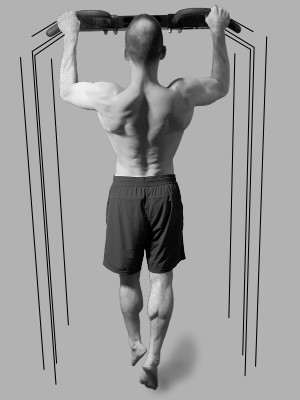 “There's a perception that there are secrets to attaining exceptional fitness. Except, there are no secrets, because exceptional fitness has always been attainable.
Here's my story.
Two decades ago, during my teens, I was strict about my diet and fitness. Or so I thought. I worked really hard and yet, I wasn't seeing results.
Everyone had faith in the well-known dietary guidelines from the government, media, and even science. While I carefully followed their guidelines, I couldn't seem to shed off that excess fat. I struggled to see that elusive six pack. Despite all my best efforts, the last straw was when my doctor told me that my blood pressure was too high. Imagine being told that when you're 20 years old.
Misconceptions, outdated information, broscience, corporate greed, however you want to call it – dominated the fitness world. A lot of unlearning was needed. I went back to the basics. After trial and error and extensive research over the years, I pieced together solutions that worked. And it worked really well. At first, I packed on serious mass up to 215 lbs on my 5'10" frame. It was when I effortlessly burned off 40 lbs in 4 months that everything clicked together.
After getting a NCAA-accredited certification in Personal Training, and maintaining a lean 185 lbs in my late 30s, I am the healthiest person I know. Despite having obesity genes [1, 2, 3, 4, 5] uncovered from genetic testing, I apparently have the health of a teenager (so my doctor says), given my excellent blood work and ideal blood pressure.

While this website has been a valuable resource for thousands of people over several years, new research continues to validate my work. This indicates that the site has been ahead of its time, but we're actually only rediscovering what we've been programmed for all along.
I've accumulated knowledge that will work for your goals of losing weight, gaining muscle, and living longer. By maintaining this mission to share information that is timeless, I am helping numerous people achieve their health and fitness goals through common sense nutrition and exercise, all backed up by science.”
My Wife's Story
 “Lazy, impatient, indulgent – not my best qualities. Especially when I want to meet certain fitness goals: 1) looking 'toned' but not bulky, 2) keeping my energy up, and, 3) feeling good about myself.
After over 10 years of trying different workout regimes and classes, I finally found something that works for me! While I was initially skeptical of my husband's guidelines for diet and exercise, I’m now in the best shape of my life! I’ve never seen my arms so toned or my legs so slender. By making small changes such as three 30 minute workouts per week and having balanced homemade meals from my husband's recipes, I’ve finally found a healthy lifestyle that is easy to maintain.”
Memberships
Join one of the thousands of members on our health and fitness journey. Being fit is simple, but it isn't easy. Learn how to make eating and exercise easy—all validated by science.
Premium Membership contains the Internet's greatest fitness manual, simplest 12-week program, and the all the details behind my daily routine.
Plus, contribute to making a difference in a child's life.
Core Membership
Free
Core Membership Features
The Core membership contains all the benefits on this page plus:
- No ads.
- Personalized dashboard:
- Your own avatar.
- Your goal statement.
- Your current and goal weight in lbs, kg, or bf% (body fat %).
- Set your training program.
- Set your next recipe.
- Upgrade to Premium Membership anytime.
Premium Membership
$12.99 until 2024-12-31
Premium Membership Features
All the benefits of Core, plus the Premium membership unlocks the  Manual,
  12-Week Program,
  Behind the Body, and:
- The Science: All facts are backed up with over 400 links to evidence-based research papers and articles.
- More Recipes: Nearly 50 recipes, including restaurant-quality dishes, soups, sides, bars, and desserts.
- Tips Everywhere: Inspirational quotes, did you knows, author's anecdotes, further readings, and game-changing tips.
- Glossary: A list of important definitions such as hyperpalatablity, IIFYM, bliss point, and more.
- Bonus Calculators: Desired body weight calculator and strength standards calculator.
- Diets: Comparing the SSF Diet with the pros and cons of Paleo, Keto, Vegan, Mediterranean, and other diets, and why cleanses/detoxes are toxic.
- Answers: Answering "Will women get big and bulky from lifting?" (no!) and "Is it too late?" (no!) and many more questions.
- Bonus SSF Workout Routines: 3x Berg (outdoor/playground), 3x Vanguard (bodyweight), 4x Adonis (bodyweight), and 5x Simplicité (bodyweight).
- Expanded Content: Additional key knowledge beyond the basics, an an annual audit for the latest information.
Social Media
Facebook: facebook.com/simplesciencefitness
Twitter: @simplescifit
Find by tag
#ssf
Share Simple Science Fitness with a friend: E-mail share
Find by tag
#ssf